If you are wondering whether Fruitland feels more like a busy suburb or a practical small town, the short answer is this: everyday life here tends to be simple, connected, and centered on the things you use most. You probably want a place that works well for daily routines, offers outdoor space, and makes getting around feel manageable. In this guide, you will get a clear picture of what living in Fruitland, Idaho is actually like, from parks and shopping to commuting and housing. Let’s dive in.
Fruitland has a practical small-town feel
Fruitland describes itself as a relatively small rural community, and that description fits the rhythm of daily life. Its roots began in orchard agriculture, and over time the city expanded to include commercial areas, light industrial growth, neighborhoods, a medical district, and a renovated downtown area.
What that means for you is that Fruitland does not feel spread out or overly complicated. Instead, many everyday activities revolve around a few key parts of town, which can make errands, recreation, and local events feel more straightforward.
Daily life often centers on a few key areas
City planning materials point to several clear activity hubs in Fruitland, including downtown, Gayway Junction, neighborhood areas, and major transportation corridors. That setup gives the city a convenience-first pattern rather than the feel of a large retail or entertainment district.
For many residents, that means your week may naturally move between home, parks, practical shopping stops, and community gathering spaces. If you prefer a town where daily life feels organized around familiar places, Fruitland may appeal to you.
Parks are part of regular routines
One of the strongest parts of everyday life in Fruitland is access to local parks and outdoor spaces. The city has multiple parks with features that support both active recreation and casual downtime.
Mesa Park is one of the city’s sports-focused spaces. It includes softball fields, tennis courts, a basketball court, a picnic shelter, a concession stand, restrooms, and it also hosts the Payette County Recreation District.
Crestview Park offers a different kind of outdoor experience. It includes a play area, splash pad, covered shelter, and restrooms, with future plans that include more amenities and a trail connection toward the Snake River.
Fruitland Community Park sits downtown on the site of the city’s first public school. It includes a play area, splash pad, gazebos, horseshoe pits, picnic tables, benches, and restrooms, making it one of the city’s more flexible spaces for a quick outing or a casual gathering.
The Payette River Sports Complex is still developing, but it already includes open recreation space, a playground, a shelter, picnic tables, and restrooms. That gives residents another place to build outdoor time into the week without needing to travel far.
Trails and river access shape the lifestyle
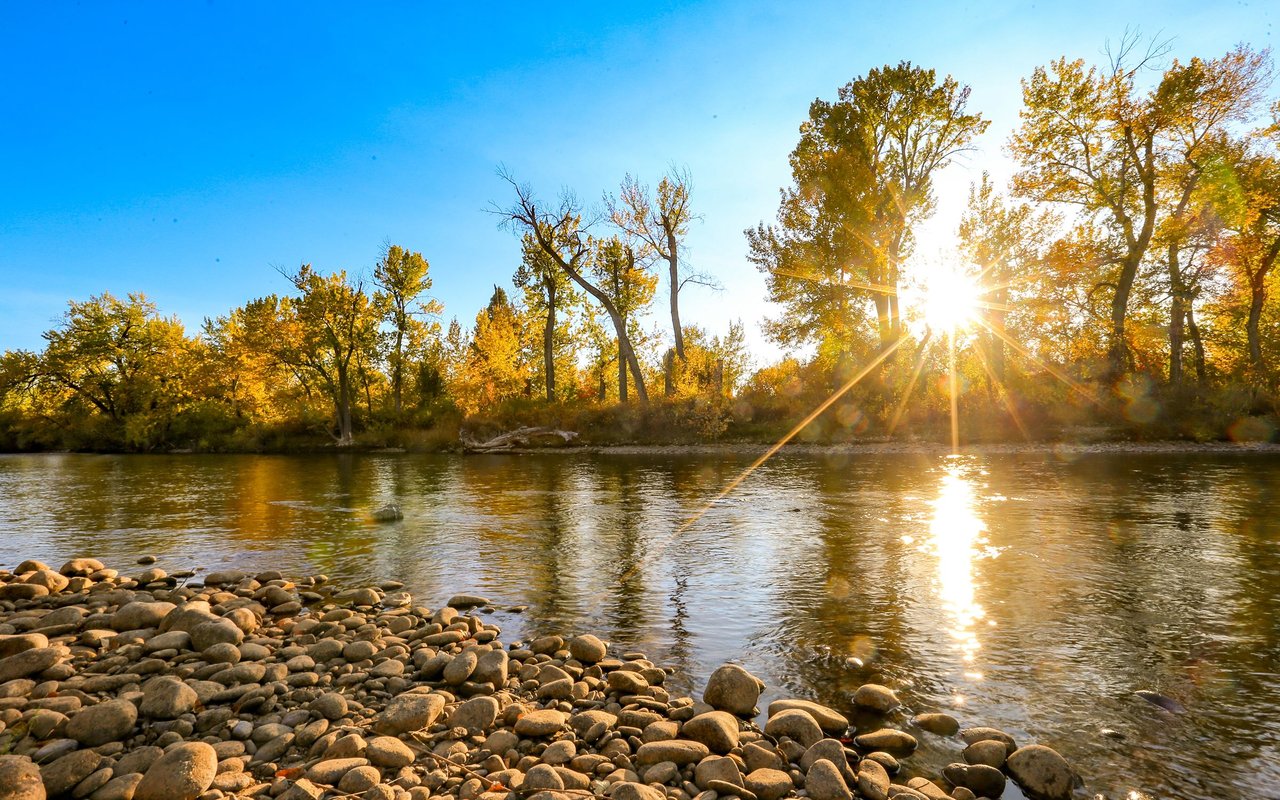
Fruitland’s planning documents show a clear long-term focus on trails, greenway ideas, and river connections. The city has identified concepts for Snake River greenway access, multi-use paths, and trail links that would connect downtown, neighborhoods, the Snake River, and the Payette River.
That matters because it shows outdoor living is not treated as an extra. In Fruitland, parks, walking routes, and river-oriented planning are part of the city’s identity, which can support a more active and outdoors-aware routine over time.
Shopping and dining are built around convenience
If you are looking for a place with practical access to day-to-day needs, Fruitland is set up for that. The city’s planning framework includes downtown commercial, general commercial, and neighborhood commercial areas, each serving a distinct role.
Neighborhood commercial areas are intended to support everyday needs and may include small grocery stores, sit-down restaurants, specialty retail, and service stations. General commercial areas add uses like fast food, offices, motels or hotels, and limited industrial activity.
In simple terms, Fruitland is more about function than volume. You are likely to find the basics you need for routine errands and meals, while the town’s overall commercial pattern remains grounded in convenience rather than a large-scale shopping scene.
Community events still play a visible role
A lot of towns talk about community connection, but in Fruitland, local events appear to stay visible in real life. The city’s community page includes public notices, a community calendar, yard sales, and information tied to civic involvement like the Mayor’s Youth Council.
City code and council materials also reference recurring events such as the Fruitland Spring Fair, Fruitland Family Fun Days, Santa in the Park, Fruitland Trunk or Treat, National Night Out, chamber-sponsored events, and a Lunch in the Park program. That suggests local gatherings often happen in parks, downtown areas, and seasonal public spaces.
For you, that can mean a more familiar community rhythm throughout the year. Instead of relying only on private venues or big destination events, Fruitland appears to support regular public gathering points that are easy to build into everyday life.
Getting around Fruitland and beyond
Fruitland sits on U.S. 95, which the Idaho Transportation Department classifies as a principal arterial. That matters because the route supports regional, local, and freight traffic through Fruitland and Payette County, making the city part of a broader travel corridor.
Planning materials place Fruitland west of Ontario, Oregon, with Caldwell, Nampa, and Boise farther south and southeast. If you are thinking about commuting, regional errands, or staying connected to other parts of southwest Idaho, that location can be useful.
The city’s transportation planning also emphasizes bike lanes, multi-use paths, and regional connectivity. So while driving is important here, planning efforts suggest that walking and biking connections are also part of the long-term picture.
Public transit adds another option
Fruitland also has access to Snake River Transit. Current service information shows hourly bus service from Ontario with connections through the Fruitland area, giving residents another way to travel locally and between nearby communities.
That may not replace driving for everyone, but it does add flexibility. If you value having more than one transportation option, even in a smaller city, that is worth noting.
Homes in Fruitland are mostly detached houses
When you look at housing in Fruitland, the most common option is the detached single-family home. Current inventory is largely made up of three- and four-bedroom homes, often ranging from about 1,000 to 2,500 square feet.
You will also find some variety within that overall pattern. Inventory includes some newer subdivision-style homes as well as properties with larger lots, and the city zoning map shows single-family residential areas alongside multi-family, mobile-home, and trailer-park designations.
So while Fruitland leans low-density, it is not completely one-note. If you are searching for a home here, you can expect detached housing to dominate, but not every part of the city will look exactly the same.
What home prices suggest
Zillow’s home value index places the average Fruitland home value at $414,483 as of May 2026. That number gives you a useful starting point if you are trying to understand the local market at a glance.
Of course, actual pricing can vary based on size, age, condition, and lot type. Still, the data suggests Fruitland offers an established single-family housing market with a mix of home styles rather than a dense apartment-heavy environment.
Who Fruitland may fit best
Fruitland may be a good fit if you want a place where everyday life feels steady and usable. The city combines practical commercial areas, visible park access, local events, and regional road connections in a way that supports routine living.
You may especially appreciate Fruitland if your priorities include:
- Detached homes being a common housing type
- Parks and splash pads for everyday recreation
- A small-town layout with clear activity hubs
- Access to U.S. 95 for regional travel
- Community events that still happen in shared public spaces
If you want a lifestyle built around convenience, outdoor access, and a more compact local rhythm, Fruitland stands out as a practical option in Payette County.
The bottom line on life in Fruitland
Everyday life in Fruitland, Idaho tends to feel grounded, accessible, and outdoors-connected. It is a small service-oriented river-corridor town where parks are part of regular life, shopping leans practical, events still matter, and most homes are detached single-family properties.
If you are considering a move and want help understanding how Fruitland compares with other nearby communities, working with a local expert can make the search much clearer. If you are exploring Fruitland or planning a move in the greater Treasure Valley region, Dana Hanks can help you evaluate your options with local insight and personalized guidance.
FAQs
What is the overall lifestyle like in Fruitland, Idaho?
- Fruitland has a compact, practical small-town feel with daily life centered around parks, shopping areas, neighborhoods, and a few key community hubs.
What kinds of parks are available in Fruitland, Idaho?
- Fruitland offers several parks with amenities like sports fields, splash pads, playgrounds, picnic shelters, gazebos, and restrooms, including Mesa Park, Crestview Park, Fruitland Community Park, and the Payette River Sports Complex.
What is shopping and dining like in Fruitland, Idaho?
- Shopping and dining in Fruitland are generally convenience-focused, with commercial areas planned around everyday needs such as restaurants, small grocery options, specialty retail, and service stops.
Is Fruitland, Idaho a good place for outdoor activities?
- Fruitland supports an outdoor-oriented lifestyle through its parks and long-term plans for greenways, river access, multi-use paths, and trail connections.
How do most people get around in Fruitland, Idaho?
- Many residents rely on U.S. 95 for local and regional travel, and Fruitland also has public transit access through Snake River Transit with hourly service connections through the area.
What types of homes are common in Fruitland, Idaho?
- Detached single-family homes are the most common housing type in Fruitland, with many listings offering three or four bedrooms and a mix of subdivision-style and larger-lot properties.
What is the average home value in Fruitland, Idaho?
- Zillow’s home value index lists the average Fruitland home value at $414,483 as of May 2026.