

From closing expenses and inspections to property taxes, insurance, maintenance, and possible HOA fees, there are several costs that buyers should consider before deciding how much home they can comfortably afford.
Understanding these expenses early can help you build a more realistic budget and avoid surprises along the way.
1. Closing Costs
Your down payment is not the only money you may need when it is time to close.
Depending on your loan and transaction, closing costs can include lender fees, title related expenses, appraisal fees, recording fees, prepaid interest, and reserves for property taxes and homeowners insurance. These costs vary depending on the property, lender, loan program, and details of the transaction.
Before making an offer, ask your lender for an estimate of the cash you may need at closing so you can plan beyond the down payment.
2. Home Inspection
A home inspection is another expense buyers should plan for.
While it adds to your upfront costs, an inspection can give you a better understanding of the home's condition before you complete the purchase. It may uncover issues involving the roof, plumbing, electrical systems, heating and cooling, foundation, or other parts of the property.
For buyers comparing several Idaho homes, the condition of each property can be just as important as its purchase price.
3. Appraisal
If you are financing your purchase, your lender will typically require an appraisal.
The appraisal provides an independent opinion of the property's value and helps the lender determine whether the home provides sufficient collateral for the loan.
Depending on your lender and loan program, the appraisal fee may be paid before closing or included among your closing expenses.
4. Property Taxes
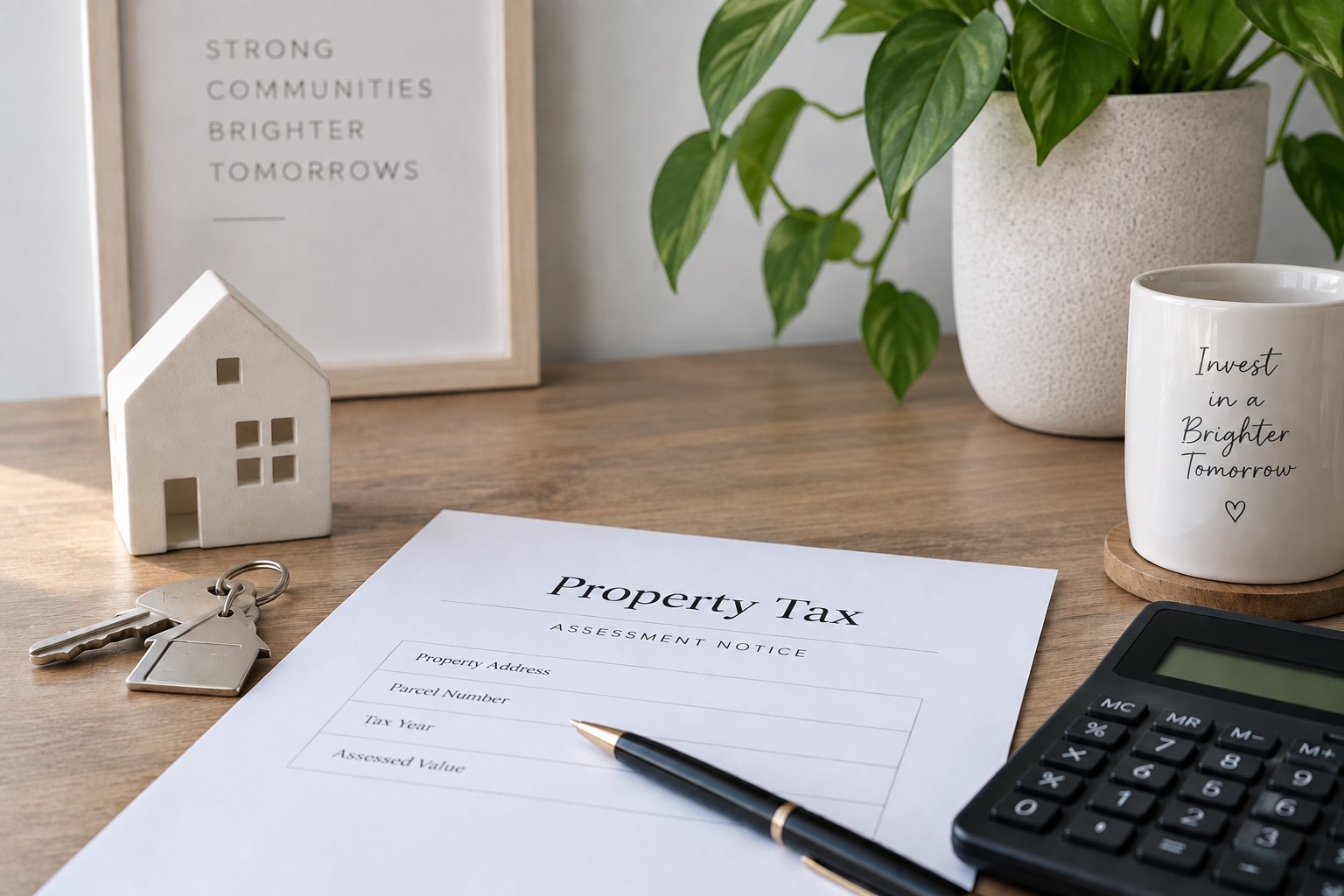
Property taxes should be part of your long term homeownership budget.
In Idaho, property taxes are administered locally, and county assessors estimate property values each year. Your actual tax bill can depend on the property's assessed value, applicable exemptions, and the taxing districts where the home is located. Idaho State Tax Commission
This means two similarly priced homes in different locations may not necessarily have identical property tax costs.
Some owner occupied primary residences may also qualify for Idaho's homeowner's exemption. Eligibility is determined through the county assessor's office, so buyers should verify what applies to their particular property rather than assuming a previous owner's tax situation will remain the same. Idaho State Tax Commission
Learn about Idaho property taxes and homeowner programs
5. Homeowners Insurance
Homeowners insurance is another ongoing expense that should be included when calculating your monthly housing budget.
The cost can vary based on factors such as the home's location, age, construction, coverage level, deductible, and other property characteristics.
Before purchasing, getting an insurance quote for the specific home you are considering can give you a more realistic picture of your total monthly cost.
6. HOA Fees
Some Idaho communities have homeowners associations, particularly newer developments and planned communities.
HOA fees may help cover community amenities or maintenance of shared spaces, but the amount and what it includes can vary significantly from one community to another.
Before making an offer, review the HOA dues and available association documents. It is also helpful to understand what the fee covers and whether there are other assessments or community expenses you should know about.
7. Maintenance and Repairs
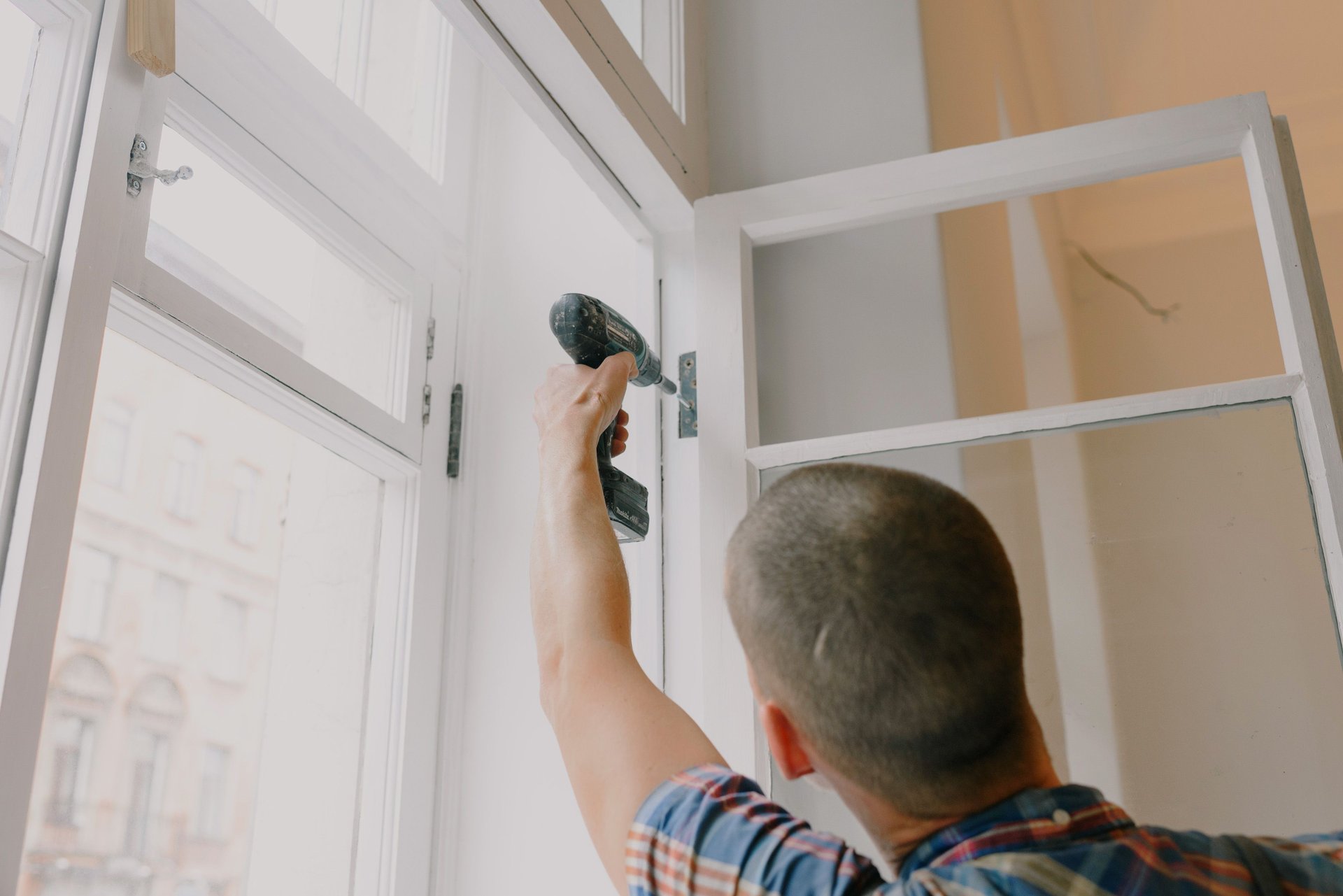
Owning a home means you are responsible when something needs to be repaired or replaced.
Even a home that appears to be in excellent condition will require ongoing maintenance. Over time, homeowners may need to budget for HVAC servicing, plumbing repairs, appliances, landscaping, roof work, exterior maintenance, and other projects.
Instead of budgeting only for your mortgage payment, consider setting aside money regularly for home maintenance and unexpected repairs.
8. Utilities
Utility costs can change when you move into a new home.
A larger home, additional outdoor space, different heating and cooling systems, or irrigation needs can affect your monthly expenses.
Before purchasing, think about electricity, gas, water, sewer, trash, internet, and any other services associated with the property.
A home that fits your purchase budget should also fit your everyday living budget.
9. Moving and Getting Settled
The expenses do not stop when you receive the keys.
Moving services, storage, utility setup, new furniture, window coverings, appliances, security systems, landscaping, and small repairs can quickly add up.
Not every buyer will have all of these expenses, but leaving some room in your budget can make the transition into your new home much easier.
Look Beyond the Purchase Price
When comparing homes in Boise, Meridian, Eagle, Star, Nampa, Caldwell, or elsewhere in the Treasure Valley, try to look beyond the listing price.
Two homes with similar prices can have very different ongoing costs depending on property taxes, insurance, HOA fees, utilities, condition, and maintenance needs.
Looking at the complete financial picture can help you determine which home fits not only your wish list, but also your budget.
Plan for Homeownership, Not Just the Purchase
Buying a home is a major financial decision, and preparing for the expenses beyond the purchase price can make the process feel much more manageable.
Before you begin your home search, consider creating two budgets: one for the money you will need to complete the purchase and another for the ongoing costs of owning the home.
A little planning now can help you choose a home you can enjoy comfortably long after closing day.
If you're thinking about buying a home in Idaho or the Treasure Valley, I’d be happy to help you explore your options and understand what to consider as you begin your search.