Thinking about moving to Boise from out of state? You’re not alone. Many people are drawn to the Treasure Valley for its outdoor lifestyle, growing job market, and access to both city and nature. If you want a clear picture of what daily life, housing, and logistics look like, you’re in the right place. This guide covers neighborhoods, commute patterns, climate, schools, costs, and a step‑by‑step path to buy a home remotely with confidence. Let’s dive in.
Boise at a glance
Boise sits at the heart of the Treasure Valley with a mix of outdoor access, a lively downtown, and a diverse job base. You’ll find roles in government, healthcare, education, technology, retail, and manufacturing. For an overview of the local economy and employer trends, review regional employment data from the Idaho Department of Labor.
The market moved fast in recent years, and while the pace has moderated, the right home can still go quickly. For current market conditions and trends, check updates from the Idaho Association of REALTORS. Inventory, pricing, and days on market vary by neighborhood and price point.
Where to live: neighborhoods and homes
Every area of Boise offers a different lifestyle and housing type. Your best fit depends on your budget, commute, and how you spend your free time.
Central and North End
You’ll see historic homes, tree‑lined streets, and quick access to downtown, Hyde Park, and the Boise River. Expect older homes with character and limited inventory in some blocks. Buyers who value walkability and local cafes often start here.
Bench, East End, and Southeast Boise
These areas offer a mix of mid‑century homes and newer builds with parks and a convenient drive to downtown and Boise State. Commutes are typically straightforward, with a range of home sizes and lot types.
West Boise and West Ada suburbs
Meridian, Eagle, and Kuna offer many newer subdivisions, larger lots, and modern amenities. If you want more space or newer construction, these suburbs are worth a look. Meridian and Eagle have grown into strong retail and employment hubs.
Garden City
Technically its own city, Garden City borders Boise and has a blend of light industrial space, emerging residential, and a creative maker vibe. It offers river access and redevelopment pockets near the Greenbelt.
Foothills and hillside neighborhoods
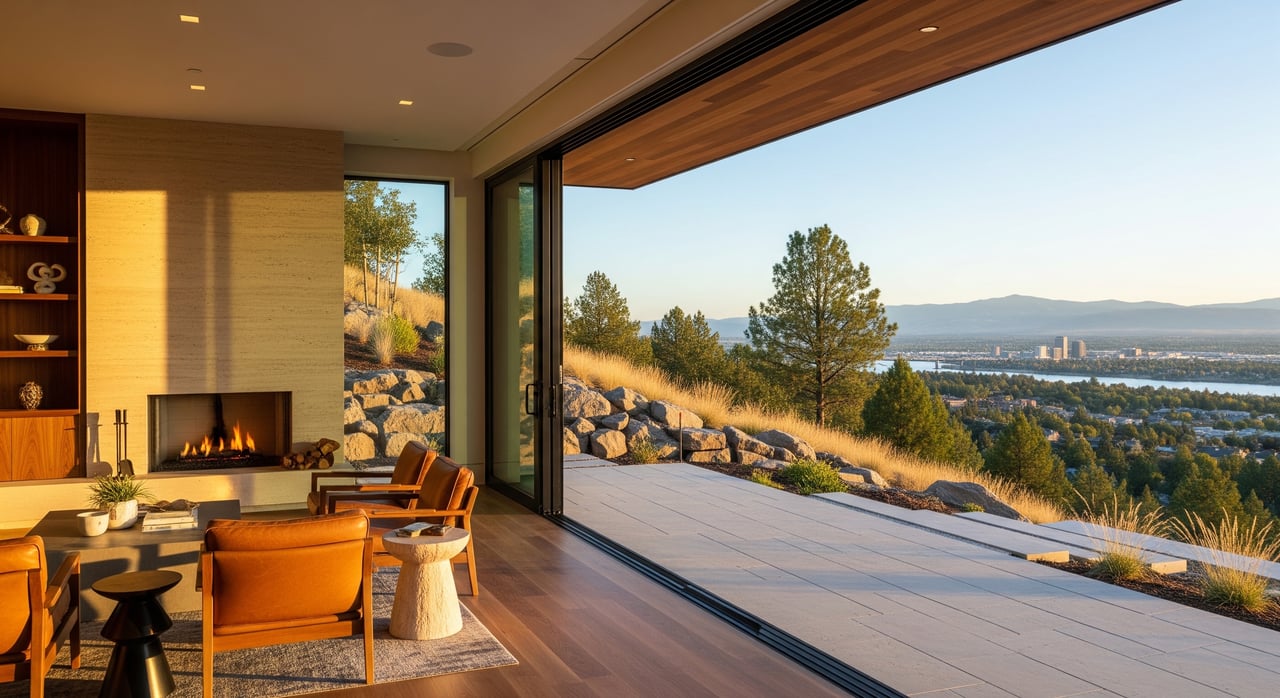
These areas trade views and trail access for hillside settings and limited supply. If you consider foothill locations, learn about wildfire risk and insurance impacts before you buy.
Condos and townhomes
You’ll find options near downtown, Boise State, and along major corridors. These can fit if you want lower maintenance or are purchasing as an investment.
What homes cost and how to search smart
Price varies by location, age of home, lot size, and features. Central neighborhoods with limited inventory often command premium prices. Newer suburban communities may offer more square footage for the cost. Interest rates have cooled some pricing pressure, but well‑located and move‑in‑ready homes still draw strong interest.
To ground your search:
- Track current trends through the Idaho Association of REALTORS and consult your agent for neighborhood‑level data.
- Define your must‑haves early, including location, commute, home size, and yard.
- Stay flexible on move‑in timing and contingency terms in case the right home appears quickly.
Commutes and getting around
Driving is the primary way to get around. Major arteries include I‑84, State Street, Overland Road, Federal Way, and Broadway. Rush hours can back up on I‑84 and entrances into downtown, though drive times are often shorter than large coastal metros.
Public transit is available through Valley Regional Transit, which runs bus service across Boise and surrounding cities. You’ll also see a growing network of bike lanes and the multi‑use Greenbelt path along the river. For commuting patterns and averages, the U.S. Census Bureau publishes detailed data you can review before you choose an area.
Climate and outdoor lifestyle
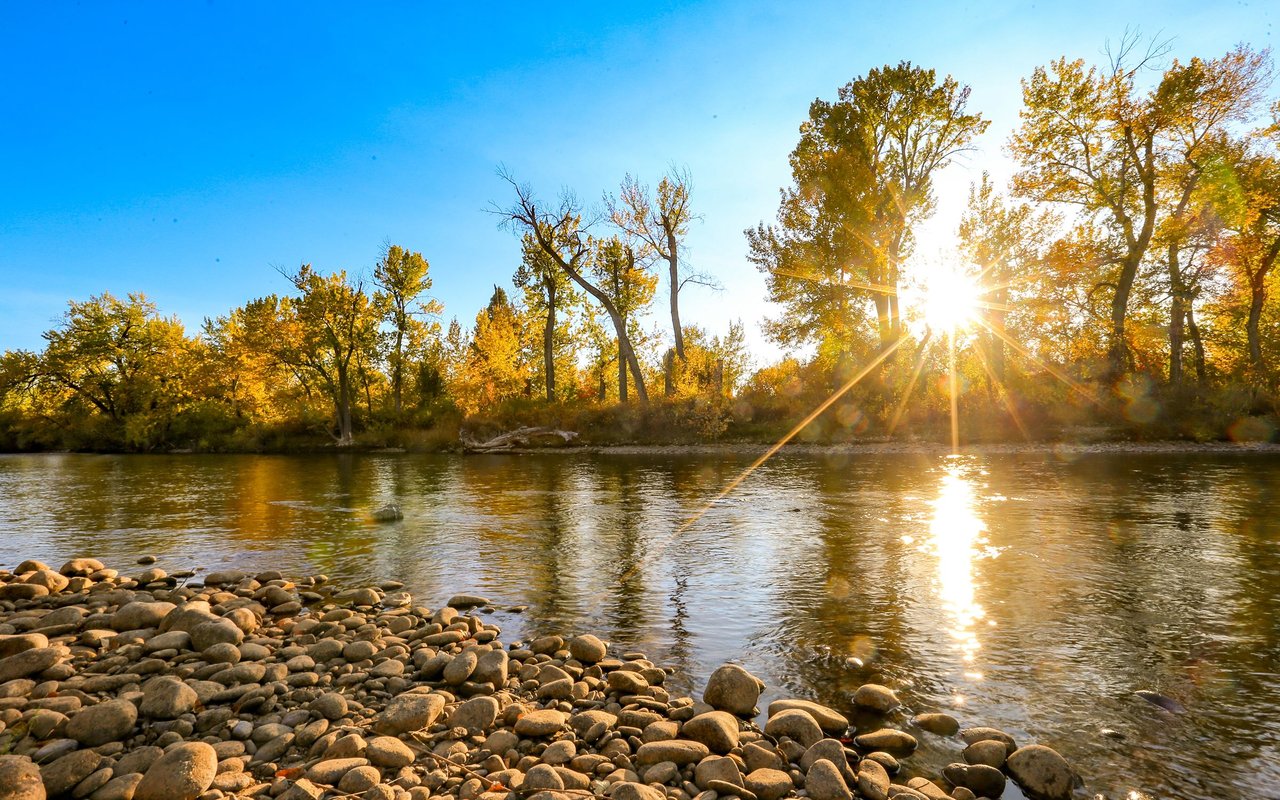
Boise has a semi‑arid climate with hot, dry summers and cold winters with occasional snow. Outdoor life is a major draw. You can hike and bike the foothills, float the river in summer, and find skiing within an easy drive. Summer is also wildfire season across parts of Idaho. If you buy near the foothills or rural‑urban edges, plan for defensible space and talk to your insurance provider early in the process.
Schools and enrollment basics
Public schools in the Boise metro are served by multiple districts. Most neighborhoods within the city fall under the Boise School District, while Meridian, Eagle, and Kuna are primarily served by the West Ada School District. School boundaries can affect your home search, so review current maps and confirm a property’s assigned schools directly with the districts.
For objective data, programs, and performance information, start with the Idaho State Department of Education’s report card site at IdahoSchools.org. Use only neutral, factual sources when evaluating schools and confirm any boundary details before making an offer.
Taxes, utilities, and insurance
Idaho has a state income tax and a statewide sales tax. Idaho does not have a real estate transfer tax. Property taxes depend on assessed value and local levies. For assessment basics and payment details, reference the Idaho State Tax Commission and the Ada County Assessor.
Utility setup is straightforward. Electricity in Boise is typically through Idaho Power, while the City of Boise handles water and sewer for many addresses. Get service and billing information directly from the City of Boise. Insurance premiums vary based on location, age of home, and hazards such as wildfire exposure. Ask your insurance agent for quotes early, especially for hillside or older homes.
How to buy a Boise home from out of state
A remote purchase can be smooth when you follow a clear plan and work with an experienced local agent.
Your remote‑buyer workflow
- Research and budget
- Review current trends through the Idaho Association of REALTORS and compare neighborhoods that match your lifestyle and commute.
- Decide on purchase price range and monthly comfort zone.
- Hire a local buyer’s agent
- Choose an agent experienced with out‑of‑state clients. They will coordinate virtual tours, share neighborhood videos, and explain local contract terms.
- Get pre‑approved
- Work with a lender that understands Idaho appraisals and closing timelines. A strong pre‑approval gives you leverage when you offer.
- Tour virtually and perform due diligence
- Use live video walk‑throughs, 3D tours, and neighborhood drive‑bys. If you are considering an investment, request rent histories and HOA documents.
- Craft the right offer strategy
- Your agent will guide you on earnest money, possession terms, and contingencies that align with local norms. Keep inspection and financing protections where appropriate.
- Schedule inspections and local experts
- Book a home inspection and specialized inspections as needed. If you cannot attend, ask your agent to join and record a recap for you.
- Close with care
- Most signatures can be completed electronically. Always verify wiring instructions with your title company by phone using known contact information.
- Plan your move
- Book movers early during peak seasons. Consider a short‑term rental to bridge any gap between closing and move‑in.
Investor and remote‑worker notes
- Rental demand exists near major employers and Boise State, though yields vary by submarket and property type. Consult local property managers for current rent and vacancy data.
- Idaho is generally considered landlord‑friendly, but municipal rules vary. Before you buy, review local codes for licensing, nuisance rules, or short‑term rental limits with the appropriate city.
- Remote work is common. Many addresses offer cable or fiber internet, but service can vary block by block. Confirm speeds and providers for the exact property.
Local trade‑offs to consider
- Central vs. suburban: Central Boise often offers proximity and walkability, with smaller lots and older homes. Suburbs tend to offer newer builds, larger lots, and different school districts.
- Hillside living: Enjoy views and trail access but plan for wildfire mitigation and check insurance early.
- Commute patterns: Meridian and Eagle can mean longer drives to downtown Boise during peak hours, but shorter trips to suburban employment centers.
- HOAs: Many newer communities have HOAs. Review CC&Rs for rules, dues, and pet or parking policies.
Your relocation timeline checklist
Short‑term
- Get pre‑approved and define your budget.
- Hire a local buyer’s agent experienced with remote clients.
- Start virtual neighborhood tours and confirm school boundaries if relevant.
Moderate‑term
- Schedule a scouting trip if you can to see top neighborhoods in person.
- Refine your list of must‑haves and nice‑to‑haves.
Pre‑close
- Order inspections, secure homeowner’s insurance, and set up utilities.
- Review title and escrow instructions and verify wire details by phone.
Post‑move
- Register your vehicle and update your driver’s license through the state.
- Enroll kids in school and confirm transportation options.
- Learn local emergency and wildfire resources.
Ready to explore Boise with a local guide?
You deserve a smooth move and a smart purchase. If you want neighborhood‑level insight, on‑the‑ground videos, and clear offer strategies tailored to today’s Boise market, let’s talk. Connect with Dana Hanks for concierge‑style relocation support and expert buyer representation across the Treasure Valley.
FAQs
What should I know about Boise commute times before I pick a neighborhood?
- Commutes vary by location and route. Most residents drive, and peak congestion occurs on I‑84 and into downtown. Review commuting data from the U.S. Census Bureau and test your route at your likely commute time.
How do school boundaries work in Boise and nearby suburbs?
- Boundaries are set by each district and can change. Confirm a property’s assigned schools directly with the Boise School District or West Ada School District, and review objective data at IdahoSchools.org.
What taxes and fees should I plan for when buying in Ada County?
- Idaho has state income and sales taxes and no real estate transfer tax. Property taxes are based on assessed value and local levies. See the Idaho State Tax Commission and Ada County Assessor for details.
Can I buy a Boise home remotely without traveling first?
- Yes. With a local agent, you can use live video tours, thorough inspections, and digital closings. Build in clear contingency timelines and verify all wire instructions with your title company by phone.
What utilities will I need to set up after closing in Boise?
- Electricity is commonly through Idaho Power, and water and sewer are often through the City of Boise. Your agent can help confirm providers for a specific address and provide setup contacts.