If you are wondering whether Star, Idaho is the kind of place where you can put down roots and still stay connected to the rest of the Treasure Valley, you are not alone. A lot of buyers are looking for that balance between more space, a quieter pace, and practical access to work, recreation, and daily errands. The good news is that Star offers a distinct mix of small-town identity, newer housing growth, and river-and-park access, but it is not the right fit for everyone. Let’s dive in.
What Star feels like today
Star is a city in Ada and Canyon counties that borders Eagle, Meridian, Middleton, and Nampa. State Highway 44 runs east to west through town, and the Boise River also plays a major role in the city’s layout and character.
Even with rapid growth, Star’s planning documents still describe the community as one that wants to preserve a rural feel while managing change. That matters if you are trying to decide whether Star matches your lifestyle, because the city is not aiming to be fully urban.
The city is also growing fast. The Census Bureau estimates Star had a population of 18,208 in 2024, up from 11,117 in the 2020 census, and the city covers 7.66 square miles.
Why buyers choose Star
For many buyers, Star stands out because it offers more than one version of Treasure Valley living. You can find neighborhoods with newer subdivision homes, but you can also find areas shaped by larger lots and a more open pattern of development.
That variety can be appealing if you want choices instead of a one-size-fits-all housing market. It also helps explain why Star often attracts buyers who want a small-town setting without giving up access to nearby employment centers and regional amenities.
A smaller-town identity
Star’s planning and demographic materials point to a community that still sees its rural feel as part of its identity. If you value a place that feels less urban and less dense than some surrounding areas, that may be a big plus.
At the same time, Star is close enough to larger Treasure Valley cities that many residents commute elsewhere for work or services. That can make it attractive if you want some breathing room at home but still need to stay connected.
Room for different housing preferences
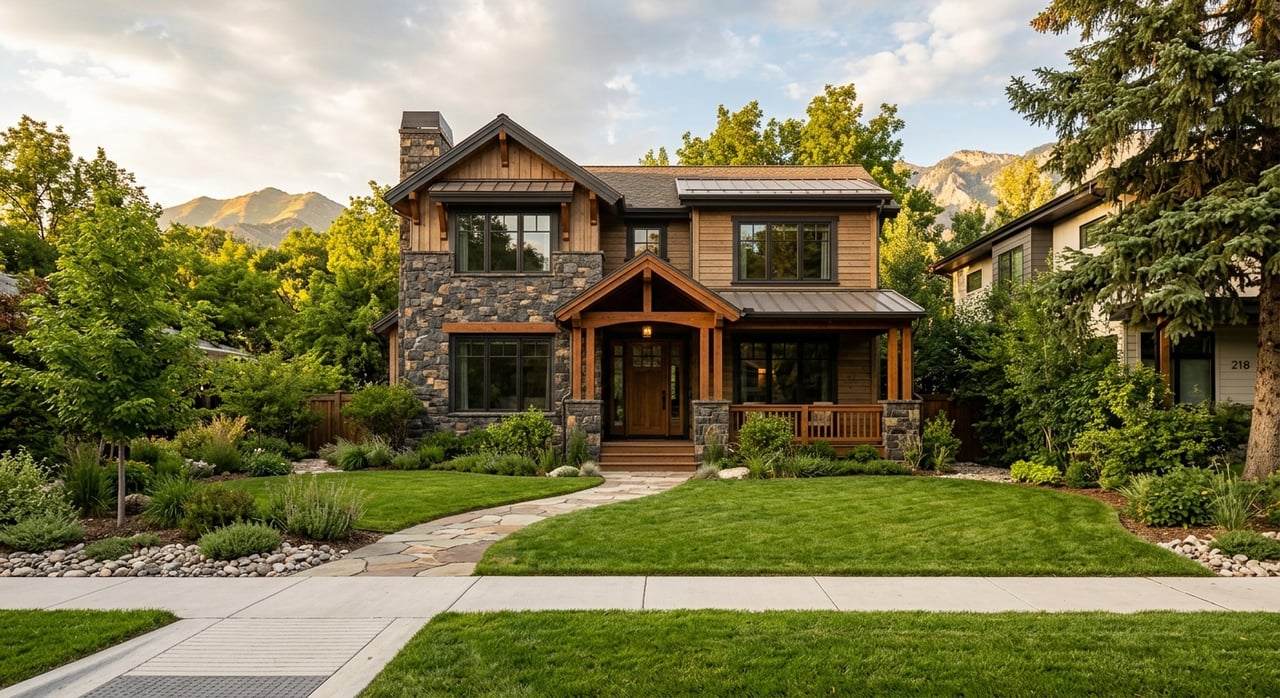
Star’s comprehensive plan describes a mix of attached and detached single-family homes, patio homes, and multi-family units. Existing residential patterns range from 1- to 5-acre parcels alongside urban-density subdivisions.
In other words, Star is not defined by just one lot size or neighborhood type. The city’s growth policies also support lower-density transition areas near large-lot homes, including rural residential lots in the 2- to 5-acre range and some transition lots from one-half acre to one acre.
Parks and river access
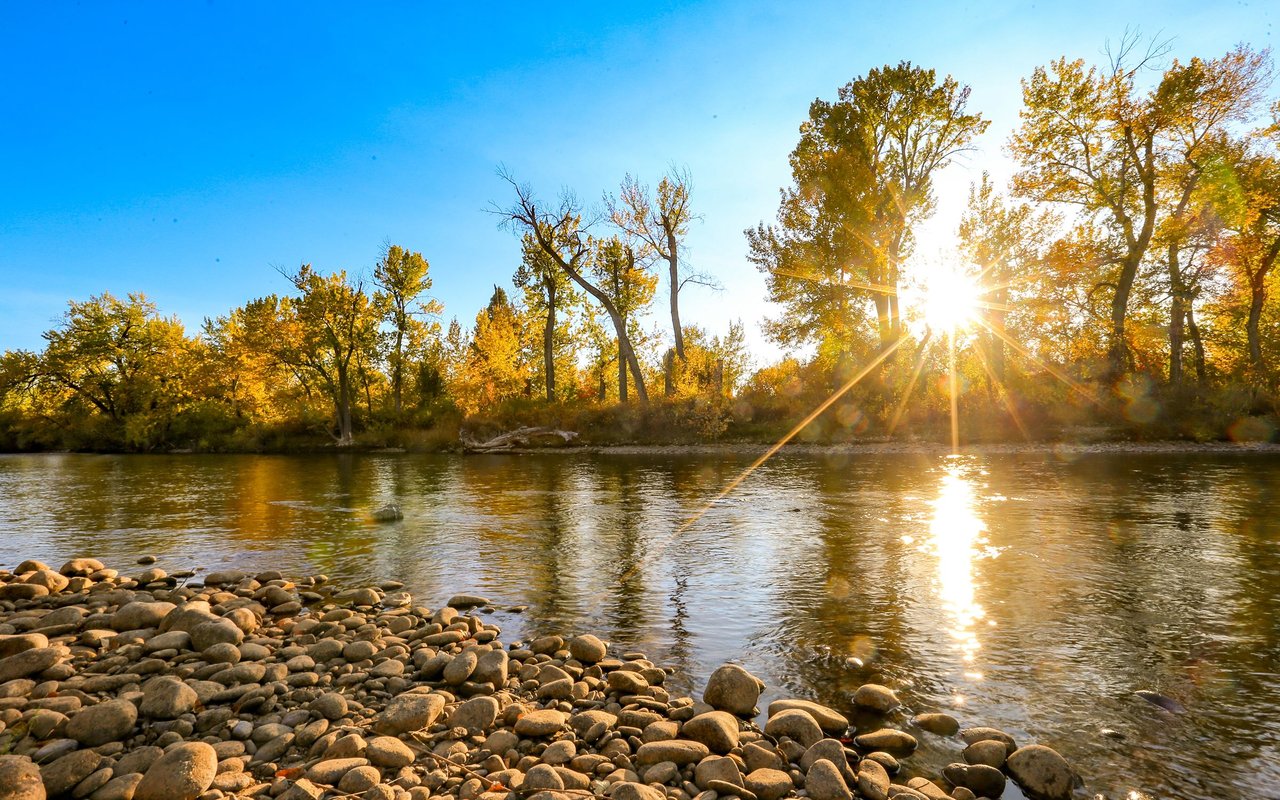
If outdoor access matters to you, Star has some strong everyday recreation options. Star Riverwalk Park is a 4.76-acre Boise River access point with a nature trail, benches, fishing access, picnic tables, restrooms, and dog access on leash.
Hunter’s Creek Sports Complex covers 18.04 acres and includes spaces for baseball, soccer, football, a skatepark, and picnic areas. The city says it maintains five parks overall, and its planning efforts continue to emphasize recreation and connected pathways.
What daily life in Star may look like
Your day-to-day experience in Star will likely depend on what you want most from where you live. Some buyers are looking for a place that feels calmer and more spacious than a denser suburb. Others want quick access to parks, newer neighborhoods, and a community that is still actively taking shape.
Star may check those boxes, but it is also a place where growth is visible. If you move here, you should expect a city that is evolving, not a community that is standing still.
Commuting and access
The Census Bureau reports a mean travel time to work of 27.5 minutes in Star. That supports Star’s profile as a commuter-friendly suburb for people working in other parts of the Treasure Valley.
If you work in Meridian, Boise, or nearby cities, Star may feel like a practical tradeoff between commute time and home environment. If you want a place where most destinations are close by without driving, Star may feel less convenient.
Growth is part of the package
Housing growth has been significant. Star’s demographic report shows housing units increased from 1,841 in 2013 to 4,682 in 2023, and vacancy dropped to 4.3%.
The city is also actively planning for what comes next. Current planning materials list projects and initiatives such as Willowbrook, Longbow, a Pathways Master Plan, a Downtown Visioning Plan, a 2026 Comprehensive Plan Update, and a Municipal Code Update.
That means you are not just buying into what Star is now. You are also buying into a community that is planning for continued change.
Who Star may fit best
Star can be a strong match if you want a blend of newer suburban growth and a more rural overall feel. It may also work well if you like the idea of river access, parks, and neighborhood options that range from standard subdivisions to larger-lot properties.
Based on the city and Census data, Star is often a practical fit for buyers who are comfortable with a car-based lifestyle and want to stay within reach of Meridian, Boise, and other Treasure Valley hubs. It can also appeal to relocators who want a clearer sense of space and pace than a more built-out area may offer.
Star may be a good fit if you want
- A smaller-town atmosphere with access to nearby cities
- A mix of newer homes and acreage-oriented properties
- Park space, sports facilities, and Boise River access
- A community that still emphasizes a rural feel
- A home base within commuting distance of larger job centers
When Star may not be the right fit
Every buyer has a different definition of convenience. If your priority is an urban setting, highly walkable daily routines, or a place with minimal visible development pressure, Star may feel less aligned with your goals.
The city’s rapid population and housing growth are important parts of the picture. For some buyers, that signals opportunity and newer inventory. For others, it may raise concerns about construction activity, infrastructure catch-up, or how the area will change over time.
Star may be a weaker fit if you prefer
- A fully urban environment
- Less nearby growth and development activity
- Fewer car-dependent routines
- A more settled pattern with fewer visible planning changes
A closer look at Star housing context
If you are trying to match your budget and goals to Star, it helps to understand the current ownership picture. The Census Bureau reports an owner-occupied housing rate of 80.7%, a median owner value of $564,300, a median monthly owner cost with a mortgage of $1,962, and a median gross rent of $1,924.
Those numbers do not tell you what every neighborhood or home will look like, but they do give you a broad snapshot of the market. They also reinforce that Star is a place where ownership plays a major role in the housing mix.
Schools and district boundaries
For buyers who want school district context, the city lists both West Ada School District and Middleton School District. West Ada pages also show Star Elementary and Star Middle School in town.
Because district boundaries and school assignments can vary by address, it is smart to verify details for any specific property you are considering. That is especially important in a growing area where development patterns can shift over time.
The bottom line on living in Star
If you want a community with a rural-leaning identity, access to parks and the Boise River, and housing options that include both newer subdivisions and larger-lot homes, Star deserves a serious look. If you want a more urban lifestyle or a place with less ongoing growth, it may not be your best match.
The key is not whether Star is “good” in general. It is whether Star fits the way you want to live, commute, and grow into your next home. If you want help comparing Star to other Treasure Valley communities, Dana Hanks can help you sort through the options with clear local insight.
FAQs
Is Star, Idaho a good place for commuters?
- Star can work well for commuters who want a smaller-town setting and still need access to larger Treasure Valley job centers. The Census Bureau reports a mean travel time to work of 27.5 minutes.
What types of homes can you find in Star, Idaho?
- Star includes a mix of attached and detached single-family homes, patio homes, multi-family housing, newer subdivisions, and some larger-lot properties, including areas with 1- to 5-acre parcels.
Does Star, Idaho have parks and outdoor recreation?
- Yes. Star has river and park amenities including Star Riverwalk Park on the Boise River and Hunter’s Creek Sports Complex, and the city says it maintains five parks overall.
Is Star, Idaho growing quickly?
- Yes. The Census Bureau estimates Star’s population reached 18,208 in 2024, and the city’s demographic report shows housing units increased from 1,841 in 2013 to 4,682 in 2023.
What school districts serve Star, Idaho?
- The city lists both West Ada School District and Middleton School District, and West Ada identifies Star Elementary and Star Middle School in town.