
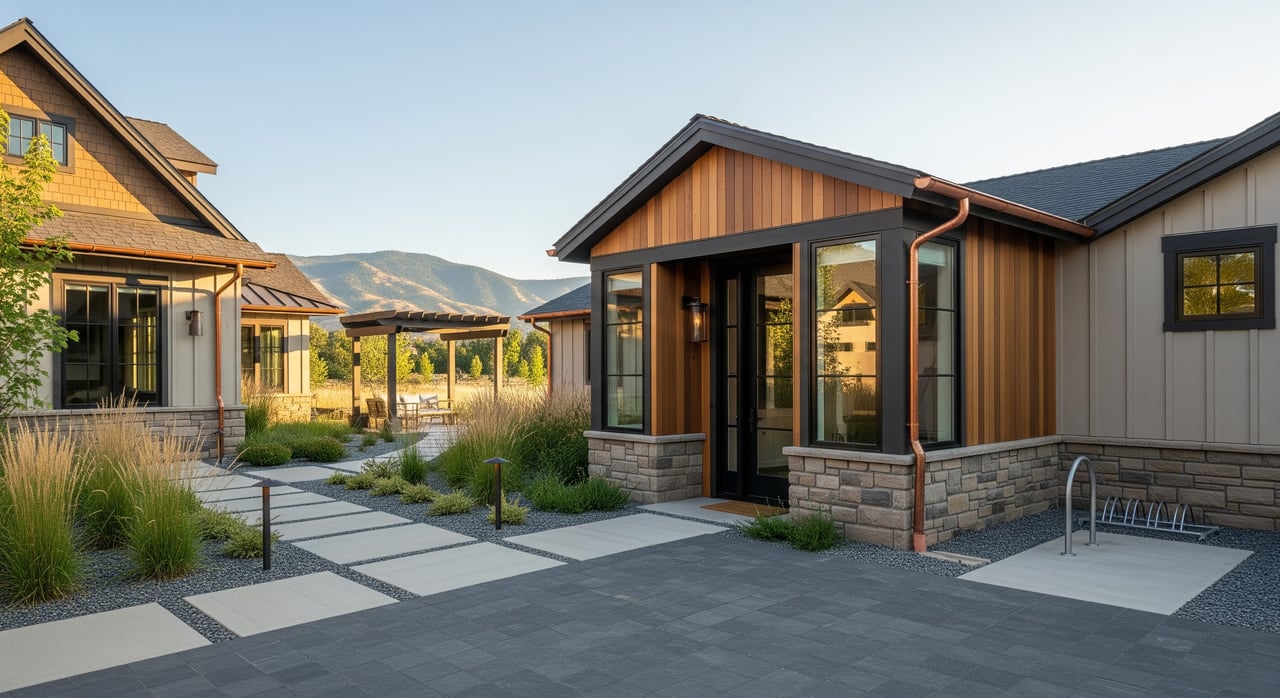
Want to lower your monthly housing costs in Boise without buying a second property? Building or converting an accessory dwelling unit can turn your backyard or extra space into reliable rental income. If you are curious about house hacking with an ADU, you are not alone. With strong demand across the Treasure Valley, many buyers and owners use an ADU to offset the mortgage, build flexibility for family, or add long‑term value.
In this beginner’s guide, you will learn how ADUs work for house hacking in Boise, what to verify with the city and county before you build, typical timelines and costs to expect, financing paths to consider, and a simple way to run the numbers. You will also get a local checklist and resources to help you take next steps with confidence. Let’s dive in.
What house hacking with an ADU means
An accessory dwelling unit is a secondary home on the same lot as your primary residence. You might hear it called a backyard cottage, granny flat, or carriage house. House hacking means using the ADU’s rent to help pay your mortgage and ownership costs.
In Boise, owners typically use ADUs in four ways:
- Long‑term rental to a tenant, which is the most common.
- Short‑term rental for travelers, if local short‑term rental rules and taxes allow it.
- Family use to help reduce overall household costs while keeping close by.
- Live or work flexibility, such as a home office or studio, with the option to rent later.
The value proposition is simple. If your ADU’s rent exceeds the added costs for construction, financing, utilities, taxes, insurance, and maintenance, you can improve cash flow and reduce your net housing expense. An ADU can also increase your property’s market value, though higher assessments may raise property taxes.
Boise rules: what to verify first
Local rules change, and every property is different. Before you plan an ADU, contact Boise City Planning and Development Services to confirm what is allowed on your lot. If the property is outside city limits, contact Ada County Planning and Zoning. You should also check the Ada County Assessor for valuation and tax impacts, the Idaho Division of Building Safety for building code requirements, and your utility providers for service capacity and connection steps.
Zoning and eligibility
Ask planning staff if your zoning district allows an ADU and what forms are permitted, such as a detached unit, an attached unit, or a conversion of existing space like a garage or basement. Confirm if owner‑occupancy is required for one of the dwellings and whether both units can be rented.
Size, setbacks, height, and parking
Many cities cap ADU size and set rules for height, lot coverage, and setbacks from property lines. Parking rules may require off‑street spaces or provide waivers in some areas. Ask for the current thresholds for your zoning and any design review if you are in a historic district.
Utilities, meters, and fees
Clarify whether your ADU must have separate meters or can share utility service. Ask about sewer and water connection requirements and potential impact or connection fees. Some upgrades to electrical panels or service lines may be necessary.
Short‑term rentals and taxes
If you plan to use the ADU as a short‑term rental, verify whether it is permitted, whether a business license or registration is needed, and what transient lodging taxes apply. City and county rules can differ, so confirm for your address.
HOA and historic overlays
If your property is in an HOA or a historic district, review CC&Rs and design guidelines. Some communities limit ADU placement, exterior finishes, or parking layouts.
Permits and a realistic timeline
Most ADU projects follow a clear path. Your exact steps will depend on site constraints and whether you are converting existing space or building new.
Typical steps:
- Zoning verification or a pre‑application meeting with Boise planning staff.
- Design and a site plan that shows setbacks, access, utilities, and parking.
- Building permit applications. Many projects require stamped plans from a licensed contractor or design professional.
- Utility permits or service applications for water, sewer, electric, and gas.
- Inspections during construction, such as footing, framing, electrical, plumbing, and final.
- Final approval or a Certificate of Occupancy before renting.
Expected timelines:
- Interior conversions with limited upgrades can take about 2 to 6 months, depending on permit backlogs and contractor schedules.
- New detached ADUs often take 4 to 12 months or more from design through construction.
Your schedule will vary. The fastest way to set expectations is to ask the Boise permit counter about current review times and typical bottlenecks.
Financing your ADU build or conversion
You have several ways to finance the purchase of a home with an ADU or the construction of a new unit. Your path depends on whether the ADU already exists and your plans for occupancy.
- Conventional mortgages can finance owner‑occupied homes with ADUs. Lenders may count a portion of rental income when you qualify, especially if there is a lease history.
- FHA loans allow 1 to 4 unit owner‑occupied properties. FHA 203(k) and other renovation programs can finance a purchase and ADU construction together if you meet program rules.
- VA loans can allow properties with ADUs. Ask the lender about how they treat rental income in underwriting.
- Renovation loans like Fannie Mae HomeStyle Renovation or local construction‑to‑permanent loans can fund a new detached ADU and then roll into a permanent mortgage.
- Cash‑out refinance, HELOC, or personal loans can cover construction when you have home equity.
- Portfolio or DSCR loans may qualify based on property cash flow rather than your personal income, which can be useful for investors.
Lenders handle rental income differently. If your ADU is new, some will use market rent estimates to count a conservative portion toward your qualification. If it is already rented with a documented lease and tax returns, the income is easier to use. Talk to a local lender who has closed ADU projects, and get pre‑approved early so you understand how the rent will be treated.
Run the numbers with a simple model
Before you commit, build a conservative budget and cash flow estimate. Here is a step‑by‑step approach you can apply to any Boise property.
Step A — Market and rent analysis
- Check current rents for similar units using rental sites and calls to local property managers.
- Use 80 to 95 percent of advertised asking rents to account for concessions or vacancy.
- Note seasonality and neighborhood demand from local managers or brokers.
Step B — Permitting and feasibility
- Confirm with Boise City Planning or Ada County whether your lot allows an ADU and what standards apply.
- Ask utility providers about sewer and water capacity and any connection fees.
- Review HOA rules or historic district requirements if they apply to your property.
Step C — Cost estimate
- Get at least two written contractor bids with itemized line items for site work, foundation, framing, plumbing, electrical, HVAC, finishes, and inspections.
- Include soft costs like design fees, permit fees, impact or connection fees, and a 10 to 20 percent contingency.
- For conversions, add code upgrades for egress windows, insulation, and electrical panels as needed.
Step D — Finance and returns
Use this basic structure:
- Gross monthly rent from the ADU.
- Minus operating expenses: added property tax, insurance, utilities you will pay, a maintenance reserve of 5 to 10 percent of rent, a vacancy allowance of 5 to 10 percent, and management fees if you will hire it out.
- Minus any added monthly loan payments for construction or renovation.
- Equals net monthly cash flow.
Simple metrics to track:
- Cash‑on‑cash return equals annual net cash flow divided by your cash invested, which includes down payment and any out‑of‑pocket construction costs.
- Cap rate equals net operating income divided by property value. For an owner‑occupied house hack, this is only a comparison tool.
Hypothetical example for method only:
- Expected ADU rent is 1,200 dollars per month. Property tax increase is 100 dollars. Insurance adds 25 dollars. Tenant pays utilities, so owner utility cost is zero. Vacancy allowance is 8 percent, which is 96 dollars. Maintenance reserve is 5 percent, which is 60 dollars. Management fee is 8 percent, which is 96 dollars.
- Gross rent is 1,200 dollars. Total operating expenses are 377 dollars. Net before debt is about 823 dollars per month. If added debt service for construction is 600 dollars per month, net cash flow is about 223 dollars per month.
Your numbers will vary. The power of this model is that you can plug in your actual rent estimate, bids, and loan terms to see whether the project meets your goals.
Step E — Legal and landlord duties
- Review Idaho landlord‑tenant laws for deposits, notices, and habitability.
- Use a lease reviewed by a local real estate attorney.
- Follow local safety requirements, including egress, smoke detectors, and inspections.
Taxes, valuation, and insurance to plan for
- Property taxes and assessed value: An ADU usually increases assessed value, which can raise taxes. Contact the Ada County Assessor to understand how and when assessments change.
- Income taxes: Rental income is taxable. You may be able to deduct expenses, mortgage interest, and depreciation tied to the ADU. A CPA can help you set up a record‑keeping system and choose the right depreciation method.
- Short‑term rental taxes: If you rent short term, business registration and transient lodging taxes may apply. Confirm what applies to your address.
- Insurance: Standard homeowner policies often exclude rental exposures. Ask your insurer about a landlord policy or the right riders for the ADU.
- Selling later: If you sell a primary residence with an ADU you rented, capital gains rules can be complex. A tax advisor can help you plan ahead.
Risks and smart planning tips
- Rules can change. Ensure your ADU is permitted and keep records. Legal uses are often grandfathered, but verify before you assume.
- Design with neighbors in mind. Thoughtful placement, privacy, and parking reduce friction.
- Plan for vacancies. Budget for turnover, repairs, and a reserve fund.
- Think resale. Many buyers value flexible spaces. A well‑designed ADU that can also serve as a studio or office can broaden your future buyer pool.
Local resources and who to call
- Boise City Planning and Development Services for zoning, permits, and current standards.
- Ada County Planning and Zoning for properties in unincorporated areas.
- Ada County Assessor for assessment and property tax questions.
- Idaho Division of Building Safety for building code and permit guidance.
- Local utility providers for water, sewer, and meter requirements.
- Local contractors with ADU portfolios. Verify licensing, insurance, references, and recent projects.
- A local mortgage broker or lender who has closed ADU loans.
- A CPA or tax advisor familiar with Idaho rental property.
- A real estate attorney for leases and compliance.
Your next steps in Boise
- Identify your goal. Do you want long‑term rental income, short‑term hosting, or family use with flexibility later?
- Pre‑screen properties. Favor lots with alley access, room for parking, or existing structures that can convert.
- Verify feasibility early. A 15‑minute call with planning can save months of redesign.
- Get bids and build a conservative budget. Include contingency and a timeline buffer.
- Line up financing. Ask lenders how they will treat projected rents.
If you want hands‑on guidance to find an ADU‑friendly home or to evaluate a project on your current property, Evolve Real Estate Idaho is here to help. You get local expertise across Boise and the wider Treasure Valley and a clear plan that fits your goals. Get Your Instant Home Valuation.
FAQs
What is an ADU in Boise and how is it used?
- An ADU is a secondary dwelling on the same lot as your main home. In Boise, owners often rent it long term, host short term if rules allow, or use it for family.
Are ADUs allowed on my Boise lot?
- It depends on your zoning, lot size, and other site factors. Contact Boise City Planning or Ada County Planning to confirm eligibility for your specific address.
How long does it take to build or convert an ADU?
- Interior conversions often take 2 to 6 months. New detached ADUs commonly take 4 to 12 months or more, depending on design, permits, and contractor schedules.
Can I use an ADU as a short‑term rental in Boise?
- Possibly. You need to verify local short‑term rental rules, any license or registration requirements, and what transient lodging taxes apply to your address.
What financing options can include ADU income?
- Conventional, FHA, VA, and renovation loans may count some rental income, especially with a lease history. Ask a local lender experienced with ADUs how they will underwrite your file.
Will an ADU raise my property taxes in Ada County?
- Likely yes, because the added unit can increase assessed value. Contact the Ada County Assessor to understand valuation timing and how assessments are calculated.
Do I need separate utility meters for an ADU in Boise?
- Requirements vary by project and utility provider. Ask about separate meters, connection rules, and any impact or connection fees during your feasibility review.