
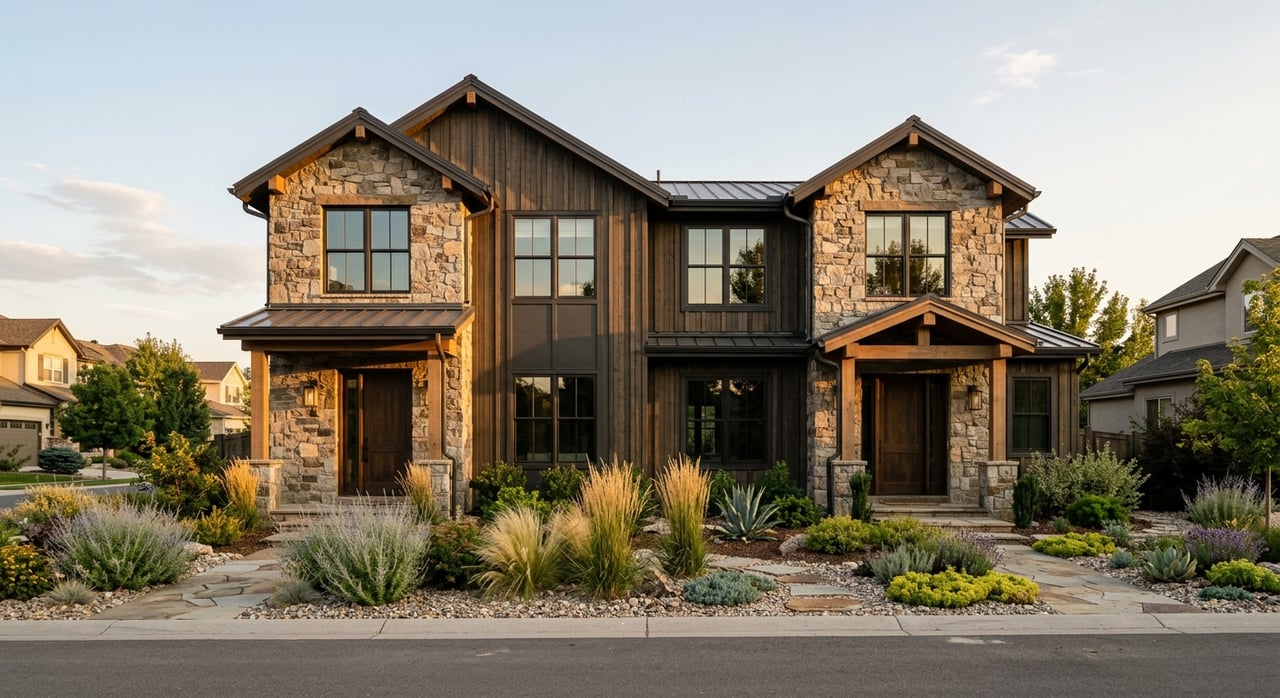
Curious whether Payette could be a smart place to buy an investment property? If you are looking for a smaller Idaho market with relatively affordable price points, steady local housing demand, and room for value-add strategy, Payette deserves a closer look. The key is knowing which property types fit the market, what local demand really looks like, and what details you need to verify before you buy. Let’s dive in.
Why Payette Stands Out for Investors
Payette is a compact market, and that matters. The city had an estimated population of 8,754 in 2024, along with 3,160 households, a 59.2% owner-occupied housing rate, a median owner-occupied home value of $276,500, and a median gross rent of $837. Those numbers point to a market where affordability plays a major role in rental performance.
At the county level, the housing picture also supports investor interest. Payette County reported 9,802 housing units and a 4.8% vacancy rate, while renter-occupied units grew 28.9% from 2010 to 2022. That growth suggests renter demand is meaningful in the area, even in a market that is still heavily shaped by owner-occupied housing.
For many buyers, this means Payette may be better suited to practical, long-term rental strategies than high-end luxury rental plays. If you are underwriting a deal here, realistic rents and strong local fit usually matter more than chasing a premium price point.
Best Investment Property Types in Payette
Single-Family Rentals
Detached single-family homes are the clearest starting point in Payette. The city housing profile found that 68% of homes were detached single-family units, making them the dominant housing type in the local inventory. If you want the broadest pool of potential tenants and resale buyers later, this property type often gives you the most flexibility.
Single-family rentals can also align well with local household needs. In a market where commute times, school access, and everyday affordability matter, a well-located house with functional space may appeal to long-term renters looking for stability.
Small Multifamily Properties
Small multifamily exists in Payette, but it is a smaller niche. The city profile found that 3% of units were in two-unit structures and 7% were in three- or four-unit buildings, with even smaller shares in larger buildings. That means duplexes and fourplexes may be available, but they are not the main inventory type.
For investors, scarcity can cut both ways. A small multifamily property may offer multiple income streams, but it can also take more patience to find the right one and evaluate rents, condition, and long-term maintenance costs carefully.
Manufactured and Mobile-Home Housing
Manufactured and mobile-home housing is part of the local market, not just an edge case. Mobile homes made up 12% of the city’s housing stock in the city housing profile. That creates a niche investors may want to study, especially if they are looking for lower entry points.
That said, this category requires extra attention. Property condition, title status, land ownership, park rules if applicable, and Idaho’s manufactured-home residency rules all matter before you move forward.
Older Value-Add Homes
One of Payette’s most interesting angles is its older housing stock. About 25% of housing units were built from 1970 to 1979, and 17% were built before 1940. For investors, that can create opportunities to improve function, appearance, and major systems rather than focus only on new construction.
A value-add strategy in Payette may involve updates like roofing, HVAC, plumbing, electrical work, windows, flooring, or kitchen and bath improvements. The goal is usually not to over-improve beyond what the market supports, but to match upgrades to realistic local rent levels and resale demand.
What Drives Rental Demand in Payette
Schools and Household Needs
Payette School District serves students from PK through 12 through Payette Primary School, McCain Middle School, Payette High School, and Payette Academy. For households with school-age children, access to the district may be one of several factors considered during a housing search.
If you are comparing properties, it helps to think about how a home functions for everyday living. Bedroom count, yard space, storage, and ease of getting to daily destinations may affect how attractive a rental feels to prospective tenants.
Commuter Access and Major Roads
Transportation access is another practical demand driver. The city transportation plan identifies US-95 as a major economic corridor, SH-52 as an important connector toward Emmett and across the Snake River into Oregon, and I-84 as about 13 miles from city limits. The same plan emphasizes commuter trips and freight movement.
That does not mean every property near a major route is automatically a strong investment. It does mean that easy access to key roads may matter to working households, especially in a market with an average commute to work of 22.3 minutes.
Regional Jobs and Workforce Stability
Payette County’s labor force was reported at 12,839, with unemployment at 4.2% in December 2025. The county demographics report also showed growth from 2010 to 2022 in construction, transportation and warehousing, education, health care and social services, public administration, and manufacturing.
For investors, that mix is encouraging because those sectors can support year-round housing demand. A market tied to a range of employment categories may offer more stability than one driven by only a single industry.
Agriculture and Seasonal Activity
Agriculture still plays a role in the local economy and travel patterns. The city transportation plan notes seasonal traffic on SH-52 during harvest, including slow-moving farm vehicles. County land-use policy also aims to protect prime agricultural lands and direct urban-type development into incorporated cities.
This matters because local housing demand may include both year-round workforce needs and some seasonal activity. If you are buying in or near the edges of town, understanding how the surrounding land use affects access, traffic, and long-term development patterns can be important.
How to Evaluate an Investment Property in Payette
Check City vs. County Jurisdiction
Before you get too attached to a property, confirm where it sits from a jurisdiction standpoint. Payette County Planning and Zoning enforces zoning and subdivision ordinances in unincorporated areas, verifies building rights, issues permits, and administers flood-control rules based on FEMA standards. The county also notes that zoning policy is meant to protect agricultural lands and keep urban-type development inside incorporated cities.
In practical terms, you want to know whether a parcel is inside city limits, in the county, or in an area of impact. That can affect what you can do with the property, what permits may be needed, and how you should assess future use.
Underwrite for Local Affordability
It is easy to make a deal look good on paper if your rent assumptions are too aggressive. In Payette, the median household income was $55,208 and the median gross rent was $837. Those figures are a reminder to build your numbers around the local market, not around wishful projections.
If you are planning upgrades, ask whether they support durable rent growth or just add cost. In a more affordability-sensitive market, clean condition, functional improvements, and dependable maintenance may matter more than luxury finishes.
Review Landlord-Tenant Basics
If you plan to rent out a property in Idaho, start with the Idaho Attorney General’s landlord-tenant manual. It covers topics such as leases, deposits, and manufactured-home residency rules, while also noting that it is not a substitute for legal advice. If you have legal questions, the manual recommends consulting a private attorney.
This is especially important if you are buying a property type with added complexity, such as manufactured housing or a multi-unit building. Lease structure, deposits, notices, and occupancy details should all be handled carefully.
Build the Right Local Team
If you are buying from out of the area, local support can make a major difference. A practical approach is to work with a property manager, lender, and Idaho attorney alongside a local real estate expert who understands Payette’s inventory, pricing, and parcel-level concerns.
That kind of team can help you avoid costly assumptions. Zoning, floodplain issues, property condition, and lease compliance can all affect whether a deal performs the way you expect.
What Strategy May Fit Payette Best
For many investors, the strongest fit in Payette is a long-term hold focused on durable local demand. Detached single-family homes are the core product, and older homes may offer room for smart improvements if the purchase price and renovation scope make sense. Small multifamily can work too, but the available inventory is more limited.
If you are comparing options, ask yourself a few simple questions:
- Does this property match the rent levels the local market can realistically support?
- Is the location convenient for commuting and everyday errands?
- Does the condition leave room for value-add without over-improving?
- Have you confirmed zoning, building rights, and floodplain considerations?
- Do you have the right local team in place before closing?
Those questions can help you separate a promising opportunity from a property that only looks good at first glance.
Payette is not a market where flashy assumptions usually win. It is a market where local knowledge, careful underwriting, and a practical property choice can give you a better shot at steady results. If you want help identifying which homes, small multifamily properties, or value-add opportunities fit your goals in Payette, Dana Hanks can help you evaluate the options with clear, local insight.
FAQs
What types of investment properties are most common in Payette?
- Detached single-family homes are the most common, making up 68% of the city’s housing stock in the city housing profile.
Is Payette better for luxury rentals or practical long-term rentals?
- Based on local home values, rent levels, and affordability metrics, Payette appears better suited to practical long-term rental strategies than luxury rental product.
Are multifamily properties available in Payette?
- Yes, but they are less common than detached homes. The city housing profile found 3% of units in two-unit structures and 7% in three- or four-unit structures.
Does older housing stock create investment opportunities in Payette?
- It can. With 25% of units built from 1970 to 1979 and 17% built before 1940, older homes may offer renovation and systems-update potential.
What should out-of-area buyers verify before buying in Payette?
- You should confirm whether the property is in the city, county, or area of impact, review zoning and floodplain considerations, and understand Idaho landlord-tenant basics before closing.