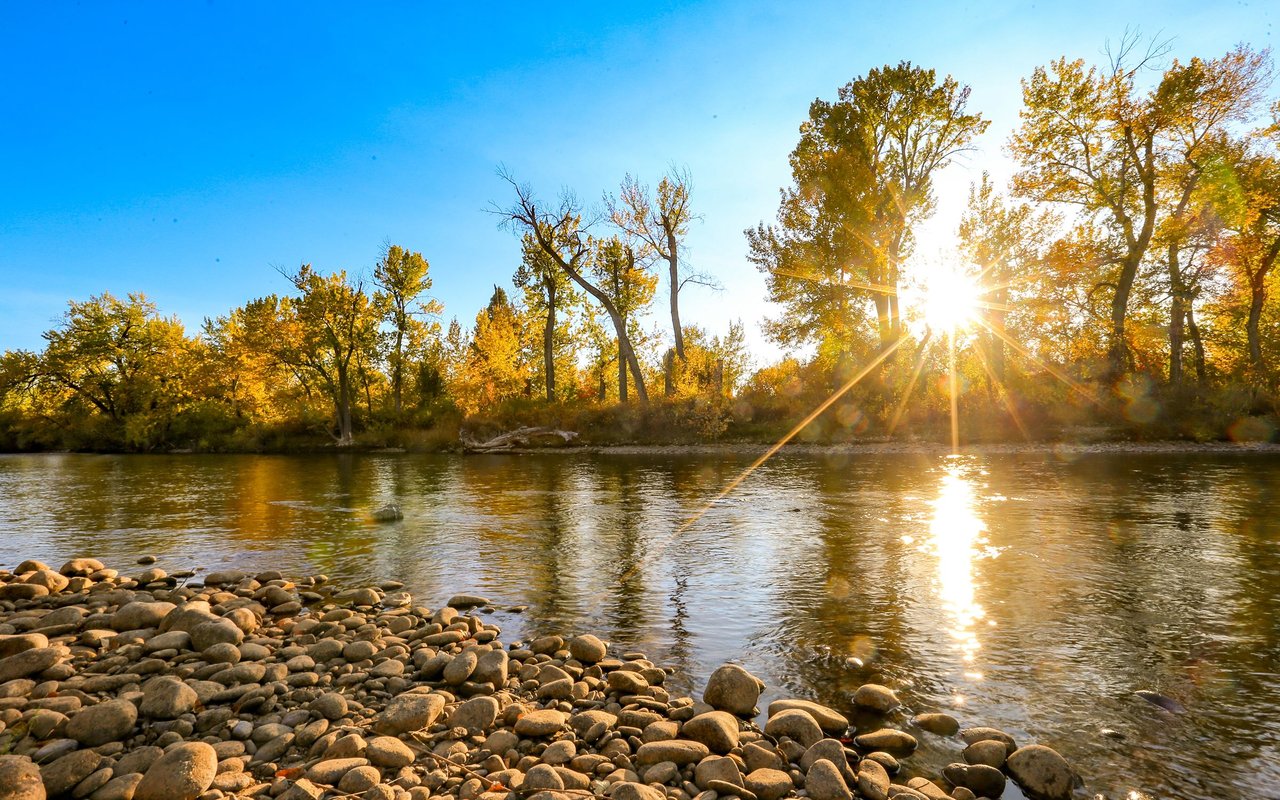
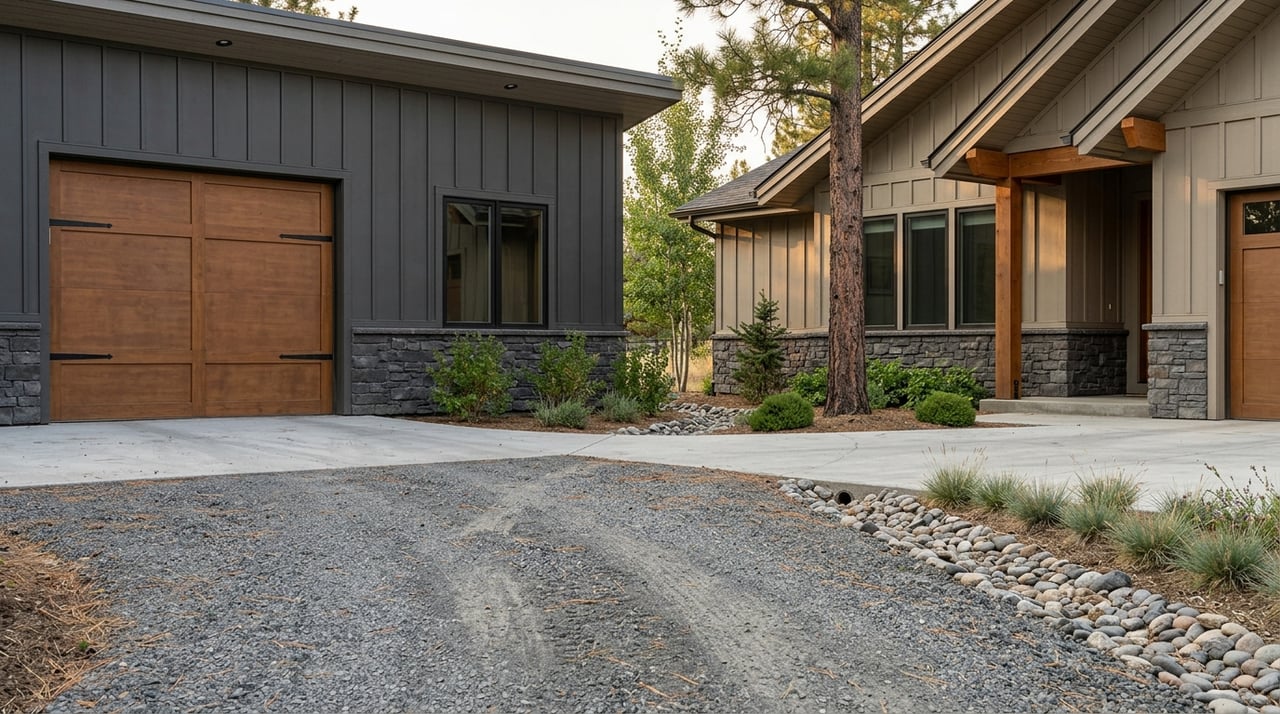
Dreaming about a few acres near Emmett? It is easy to picture the shop, the garden, the animals, or the wide-open views. But with rural property, what looks simple online can involve zoning limits, access rules, water questions, septic approvals, and ongoing land maintenance. If you are thinking about buying acreage near Emmett, this guide will help you focus on the issues that matter most before you write an offer. Let’s dive in.
Why acreage near Emmett needs extra homework
Buying land or a home on acreage is different from buying a typical in-town property. In Gem County, parcel size alone does not tell you what you can build or how the land can be used.
The county’s comprehensive plan emphasizes preserving agricultural land, rural heritage, and rural landscapes. That means county rules are designed to protect rural character, and your intended use needs to fit the property’s exact zoning and site conditions.
Check zoning before anything else
If you are looking at acreage near Emmett, zoning should be one of your first questions. Two five-acre parcels can have very different use rules depending on the zoning district.
Gem County’s zoning map includes agricultural and residential districts commonly seen on acreage listings:
- A-1 Prime Agricultural has a 40-acre minimum lot size and is intended for land that should not undergo urban development.
- A-2 Rural Transitional Agricultural has a 5-acre minimum lot size and is intended for land likely to transition toward more intensive development.
- A-3 Rural Agricultural has a 5-acre minimum lot size and is intended to remain rural in nature.
- R-2 has a 1-acre minimum lot size.
- R-3 has a 2-acre minimum lot size.
This matters if you want to build a home, add a shop, keep the property rural, or understand what nearby land might look like over time. Before you move forward, confirm the exact zoning designation and ask whether it supports your intended use.
Understand city versus county service areas
Another key detail is whether the property is inside the City of Emmett, in the city impact area, or fully in the county. That can affect water, sewer, planning review, and how you approach future improvements.
Inside the City of Emmett, Public Works handles water and sewer availability questions and asks buyers to provide the property address or parcel number. The city also uses a pre-development questionnaire for projects involving building, zoning, fiber, or fire-related questions.
Outside city service, many acreage properties depend on private systems instead. That shifts your focus toward well, septic, and site suitability.
Water and septic can shape the whole purchase
For many buyers, the biggest acreage questions are not about the home itself. They are about whether the property can support the way you want to live.
Gem County’s rural residential areas are described as areas that can be served by individual well and septic systems approved by the health department. Southwest District Health says a septic permit is almost always required before the county will issue a building permit.
For a new septic system, Southwest District Health requires a pre-development meeting and an on-site evaluation before issuing a subsurface sewage permit. For new construction, it also wants floor plans showing the number of bedrooms and a 10-foot test hole at the time of evaluation.
That means septic is not something to assume or deal with later. If you are buying vacant land or planning a new build, make septic feasibility part of your due diligence early.
Know the limits of a domestic well
Water is one of the most important parts of any acreage purchase. Idaho’s domestic exemption rules changed effective July 1, 2025, and buyers should understand what that means in practical terms.
Under the revised domestic exemption, water can be used for homes, livestock, and irrigation of up to one-half acre, as long as total use does not exceed 13,000 gallons per day. The state also says in-home use does not include lawns, gardens, landscaping, pastures, or open spaces, and the exemption generally does not cover subdivisions or commercial or business uses.
If you are picturing an orchard, larger pasture, extensive garden space, or irrigated acreage, do not assume a domestic well automatically covers it. Confirm the water-right and permitting path before you commit.
IDWR also requires a drilling permit before a well is drilled, and all wells must be constructed by a licensed well driller. Domestic wells do not need other IDWR approvals before a drilling permit can be approved, but irrigation, commercial, multi-family, and municipal wells generally need approved water rights first.
Access can be a bigger issue than buyers expect
A beautiful parcel is only as usable as its access. In Gem County, driveway and road rules can have a major impact on cost, timing, and whether a building site works the way you expect.
All new or expanded driveways require a driveway permit through the county Road and Bridge Department. If access comes from a state highway, buyers need proof of an Idaho Transportation Department access permit instead of a county permit.
If the building site does not have contiguous road frontage, county code requires at least a 40-foot recorded easement, right-of-way, or deeded strip for driveway access. That is why title work, legal access, and recorded documents matter so much on acreage.
Private roads also come with their own standards. Gem County says new or expanded private roads generally need a 24-foot improved surface with drainage ditches, and gates must meet fire district standards. The fire district may also require secondary access if emergency access is considered inadequate.
For some private roads, the county requires a recorded development agreement that explains maintenance and transfer responsibilities. In plain terms, you should ask who pays for grading, culverts, gates, and shared-road upkeep before you write an offer.
Fire access is part of the equation
Rural access is not just about convenience. It is also about emergency response.
Gem County Fire District 2 instructs owners to obtain an address, mark the driveway with a reflective address sign, submit its driveway permit application, and complete a final inspection with compaction testing showing 95 percent or greater compaction. If a driveway or private road does not meet the needed standard, that can affect your timeline and improvement costs.
This is one reason acreage buyers should look beyond the listing photos. A long driveway or shared lane may need more review than you think.
Barns, shops, and guest spaces need review
Many acreage buyers want more than just a house. You may be thinking about a barn, shop, arena, or guest quarters, but each type of structure can follow a different path.
Gem County code distinguishes between agricultural structures and habitable structures. Agricultural buildings on agricultural land that are not intended for human habitation are treated differently, while accessory buildings over 120 square feet generally need a permit in residential and commercial zones.
Accessory dwelling units also have special rules. Gem County requires recorded restrictions for ADUs, they cannot be sold separately, and they must connect to approved wastewater and domestic water.
If your must-have list includes a second living space, large shop, or outbuilding, verify the permit path and site layout before you get too far down the road. This is especially important when a property is marketed with flexibility that may sound broader than what the code allows.
Floodplain should be checked early
Floodplain review is another smart step when you are buying acreage near Emmett. Gem County’s floodplain materials reference FEMA flood maps, and county acreage-lot rules say floodplain development must comply with FEMA and local floodplain regulations.
Even if a property looks dry during a showing, floodplain boundaries can still affect where you build and what improvements are possible. This is worth checking early, especially if you are buying vacant land or planning to add structures.
Rural ownership comes with ongoing work
Acreage can offer flexibility and space, but it also comes with more maintenance than many first-time rural buyers expect. University of Idaho Extension’s small-acreage guidance highlights practical realities like soil, water and water rights, livestock, weeds, wildfire, pasture management, water quality, and grazing management.
For you, that may translate into real costs for fencing, road upkeep, weed control, drainage, pumping, and seasonal land management. The purchase price is only part of the budget.
That does not mean acreage is a bad fit. It just means the right property is the one that matches both your goals and your willingness to manage the land over time.
A smart acreage due diligence checklist
Before you buy acreage near Emmett, make sure you get clear answers to these questions:
- What is the exact zoning designation?
- Does the zoning support your intended use?
- Is the parcel inside city limits, in the city impact area, or fully in the county?
- Does access come from a public road, private road, or shared easement?
- Is the driveway already permitted, and if not, what permit is required?
- Is there an existing well?
- Is there septic permit history, and is the system sized for the current or intended use?
- Are there floodplain concerns?
- Are there recorded restrictions that affect building plans?
- Will a barn, shop, corral, guest house, or second dwelling fit the site and permit path?
- What utilities are available, and what will new connections require?
Who to talk to before writing an offer
On acreage, the right conversations can save you time, money, and stress. The most relevant contacts may include Gem County Development Services or Planning and Zoning, Southwest District Health, Gem County Road and Bridge, the Idaho Department of Water Resources, the fire district, and licensed well and septic professionals.
It can also help to involve a surveyor and your title or escrow team early, since recorded easements, legal descriptions, and restrictions often play a big role in rural property decisions. The more you verify up front, the more confident you can feel moving forward.
Buying acreage near Emmett can be a great move if you want more space and a rural lifestyle, but the best purchases are usually the ones backed by careful local due diligence. If you want help evaluating land, homes on acreage, or the practical questions that come with rural property in Gem County, Dana Hanks can help you navigate the details with clear, local guidance.
FAQs
What should I check first when buying acreage near Emmett, Idaho?
- Start with the property’s exact zoning, access, water source, septic status, and whether the parcel is in the city or county jurisdiction.
Can I build a barn or shop on acreage near Emmett?
- Possibly, but it depends on the zoning, the type of structure, and whether it is considered agricultural or habitable under Gem County rules.
Do acreage properties near Emmett usually have well and septic systems?
- Many properties outside city service rely on private well and septic systems, and septic approval is typically an important step before building.
Does a domestic well cover gardens and pasture on Emmett acreage?
- Not always. Idaho’s domestic exemption allows certain home, livestock, and limited irrigation uses, so larger outdoor water plans should be confirmed in advance.
What access issues matter on rural property in Gem County?
- You should confirm legal access, driveway permit requirements, easement width, private-road standards, and who is responsible for shared-road maintenance.
Should I check floodplain before buying acreage near Emmett?
- Yes. Floodplain rules can affect where you build and what improvements are allowed, so it is smart to review that early in the process.